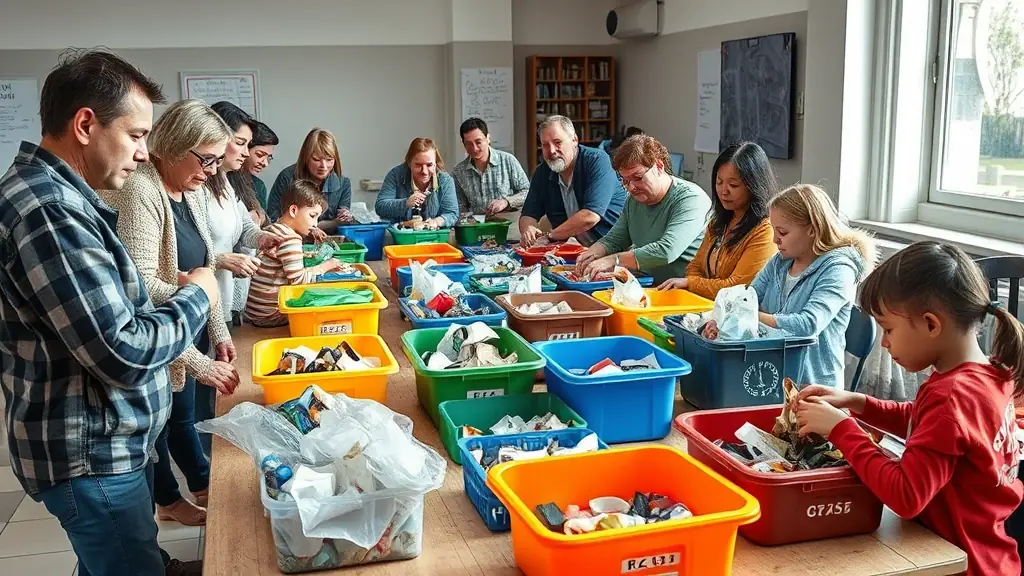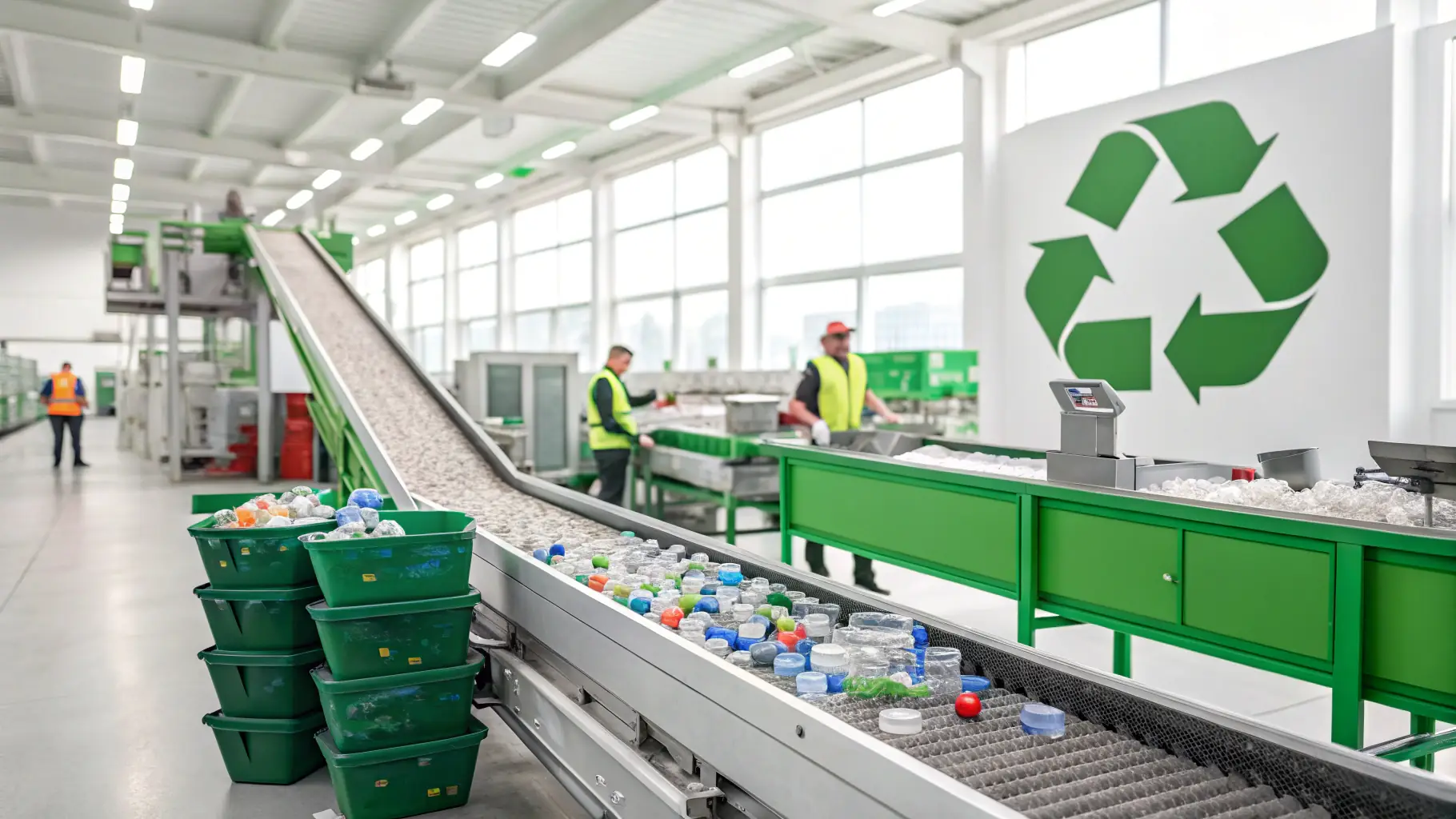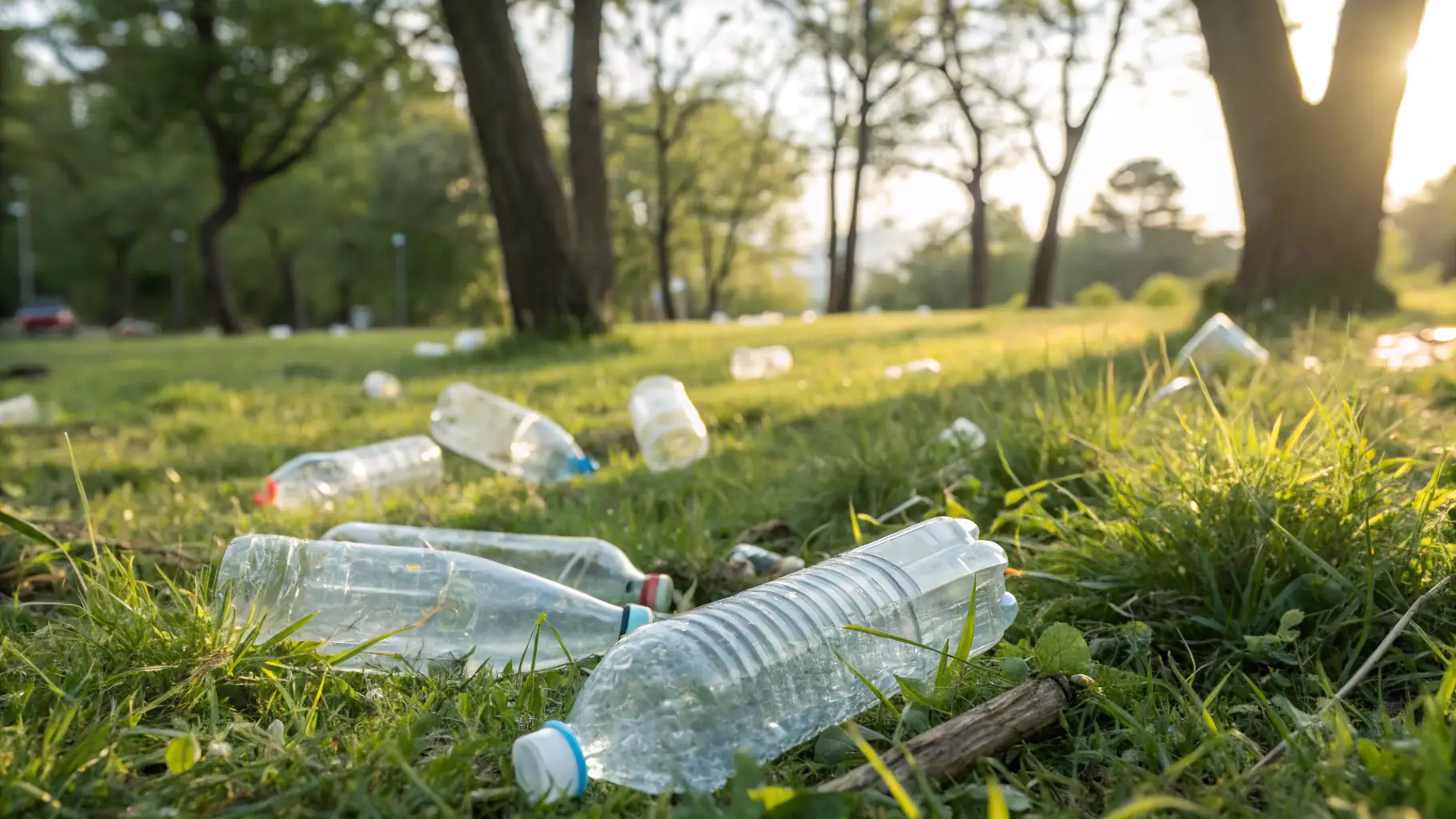
Plastic pollution is a pervasive issue in South Africa, affecting various ecosystems and posing a significant threat to human health. The improper disposal and inadequate recycling infrastructure contribute to the accumulation of plastic waste, leading to environmental degradation. This poses a serious challenge to the country’s natural resources and biodiversity. The long-term consequences of plastic pollution are far-reaching and require urgent attention. The impact of plastic pollution extends beyond the immediate environment. It contaminates water sources, harming aquatic life and potentially entering the food chain. Landfills overflow with plastic waste, releasing harmful toxins into the soil and air. The accumulation of plastic debris in natural habitats disrupts the delicate balance of ecosystems, impacting wildlife and plant life. This necessitates a comprehensive approach to address the issue. Addressing plastic pollution requires a multi-faceted strategy. Increased awareness and education campaigns are crucial to promote responsible waste management practices among individuals and communities. Investing in advanced recycling technologies and infrastructure is essential to improve the efficiency of plastic waste processing. Collaboration between government agencies, businesses, and communities is vital to develop effective solutions and implement sustainable practices. This will help to mitigate the long-term effects of plastic pollution.
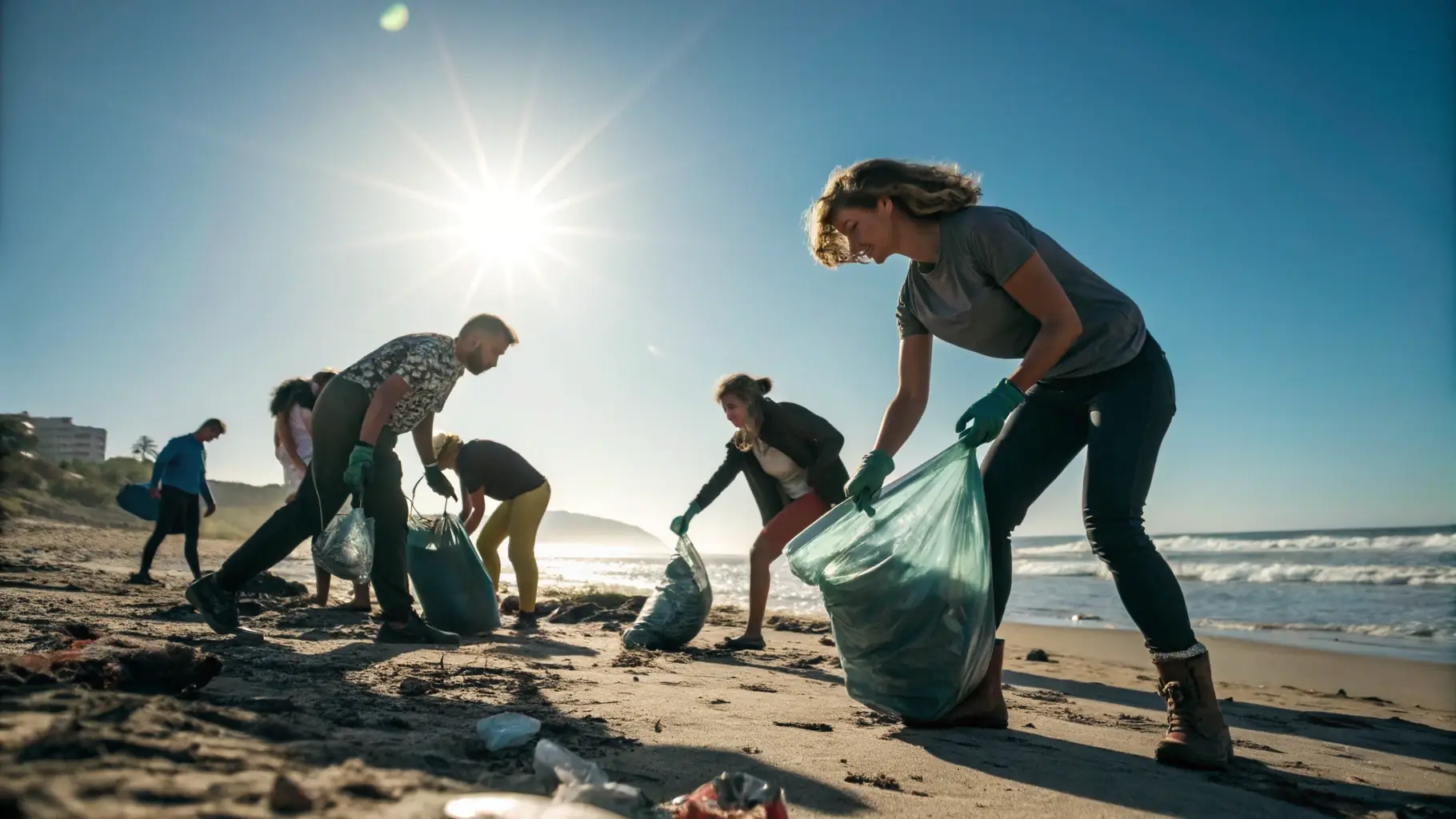
Case Study: Plasticnest.uno’s Impact on Coastal Cleanup in Durban
Plasticnest.uno’s initiative in Durban demonstrates the positive impact of community-based recycling programs on coastal cleanup.